May 5th, 2021

"Motherhood: All love begins and ends there." - Robert Browning
We would like to take this moment to thank all the great moms out there for being so great during their child’s visits to Wichita Falls Orthodontics. Whether it’s driving their kids to regularly scheduled appointments or for “being there” while their child is treatment, the moms who come to our office are all stellar individuals, so Dr. Frech and our entire staff would like you to know that we appreciate you all!
Happy Mother’s Day and enjoy your special day!
April 28th, 2021
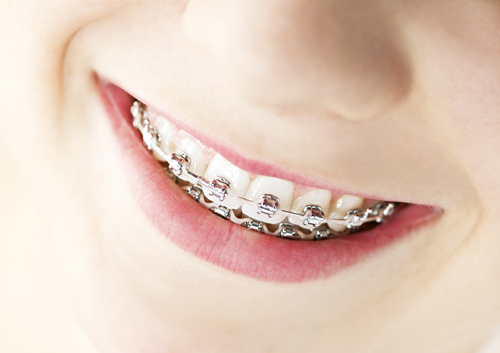
In recent years, many links have been established between orthodontic treatments and whole body health. According to the National Institute of Dental and Craniofacial Research, researchers have observed that people with gum disease are more likely to develop heart disease or experience difficulty controlling blood sugar than people without gum disease. While researchers continue to find associations between oral health and the overall health of the body, as of yet it hasn’t been determined whether gum disease is the sole cause of these health conditions. What can be determined, however, is that good oral health isn't just about maintaining a healthy smile; it has an impact on the health of your entire body.
The associations between gum disease and whole body health
The links between the health of your mouth and the health of your body are too many to ignore. Is it a coincidence that gum disease and other health problems occur together? Researchers don’t think so, despite the lack of definitive proof.
Here are four possible connections between the health of your mouth and the health of your body.
- Excessive oral inflammation has been linked to a greater incidence of clogged arteries.
- The American Society of Microbiology has revealed that certain types of oral bacteria can infect the arterial cells and weaken the wall of the heart.
- Loose teeth are often believed to be a warning sign for osteoporosis, a disease that causes the bones to become less dense.
- Some studies suggest women with gum disease are more likely than those without gum disease to deliver preterm, low-weight babies.
Orthodontics and gum disease
So what does undergoing orthodontic treatment at Wichita Falls Orthodontics have to do with gum disease? Braces do so much more than give you a nice-looking smile. Quite simply, straight teeth are easier to keep clean than crooked teeth. Your toothbrush is able to remove more plaque-causing bacteria, and your floss is more effective at ridding tiny particles between your teeth.
Despite the lack of hard facts in these findings, the message is clear: If you improve your oral health, you will also have a greater chance of maintaining the health of your entire body. And that’s a chance Dr. Frech and our team at Wichita Falls Orthodontics believe is worth taking. For more information about this topic, please give us a call at our convenient Wichita Falls, TX office or ask Dr. Frech during your next visit!
April 21st, 2021

The idea for Earth Day was the brainchild of Gaylord Nelson, a senator from Wisconsin. He envisioned an Earth Day that would be a kind of environmental teach-in. The first Earth Day celebration took place on April 22, 1970, and a surprising 20 million people participated on that day. Ultimately, it became the largest organized celebration in US history.
Earth Day Over the Years
Over the years, the recognition of the day, and the number of people celebrating it all over the world, turned Earth Day into an international celebration. Because it is celebrated throughout the world, it is not only the largest international environmental observation, but it is also more widely celebrated than any other environmental event in the world. Today, Earth Day is celebrated in 175 countries where over 500 million people participate in celebrations.
The Earth Day Movement
The Earth Day movement is credited with developing the idea that people should “think green”. It encouraged congress to enact laws, including one that resulted in the creation of the Environmental Protection Agency. It also inspired the passage of the Endangered Species Act.
The Five R's and Their Importance
- Reduce – Reduce by avoiding unnecessary purchases. Reduce your use of materials that wind up in landfills. Reduce the use of chemicals around your house. Reduce your use of disposable bags, plates, cups, eating utensils, and batteries.
- Reuse – Instead of using plastic bags for your groceries or purchases, bring your own reusable bags. When you go to buy coffee at Starbucks, take a travel mug so you don't have to get your coffee in a disposable paper cup. Instead of storing food in disposable refrigerator containers, buy containers that can be washed and reused. Don't use regular batteries. Whenever possible, opt for rechargeable batteries that you can reuse.
- Recycle – Most cities offer a recycling program to collect used bottles, cans, and newspapers. Recycling includes collecting recyclable materials that would otherwise be considered waste, sorting and processing recyclables into raw materials such as fibers and manufacturing raw materials into new products.
- Re-buy – Make an effort to purchase things that are made through recycling. When purchasing furniture, look for items that are made from reclaimed wood. When buying paper for kids school work, computer printer paper, holiday cards, or anything else, make a point of purchasing recycled paper products. Instead of buying clothing at full retail price, shop for second hand clothing. You will save a lot of money by doing so!
- Rethink – Rethink the way you do things so that you do them in an eco-conscious way at all times. Instead of driving to work alone, consider taking the bus or going in a carpool. Walk or ride your bike when you're only going a short distance. Plan your shopping trips and errand runs so that you can do everything on one day, and do it in a way where you can save time and gas.
Other ways to "think green" include growing your own food, composting yard waste and food scraps, or by participating in local recycling programs. Join a group like Freecycle so you can share your unneeded and unwanted possessions with people who can use them. Likewise, you'll be able to get things you need or want for free.
Earth Day teaches people that the planet belongs to everyone, so everyone is equally responsible for protecting it. Although Earth Day is an environmental celebration, our team at Wichita Falls Orthodontics wants to remind you that you don't have to wait until then to make changes that will allow you and your family to live a greener life.
Happy Earth Day from the team at Wichita Falls Orthodontics.
April 14th, 2021

The stereotypical braces wearer – in middle school, with a mouth full of metal brackets – has led to numerous myths about orthodontics that discourage many people from getting the dental care they need. Dr. Frech and our staff would like to put some of these myths to rest.
Myth 1: Orthodontic treatment is for kids. Although teenagers often visit the orthodontist to get braces, adults represent a growing proportion of orthodontic patients. Whether you’re eight or 80, a consultation with an orthodontist can identify problems with your teeth, jaws, or bite that can be corrected by orthodontic interventions.
Myth 2: Traditional, metal braces are my only option. Advances in orthodontic technology have rendered improved braces and other orthodontic appliances that are much less noticeable than the braces of yesteryear. Ask Dr. Frech about Invisalign® braces and other options that make sense for your situation.
Myth 3: Orthodontic treatment is only helpful for crooked teeth. Sure, a crooked smile is a common reason that patients seek orthodontic care. However, orthodontic interventions help with a range of dental health problems. From missing teeth to overbite to jaw misalignment, your orthodontist can help with many problems associated with the teeth, gums, and jaws.
Myth 4: Orthodontic treatment is too expensive. As with any medical procedure, orthodontics can be pricey. However, our Wichita Falls, TX team works with patients to find payment plans, insurance coverage, or other payment options that reduce the financial burden.