June 24th, 2014
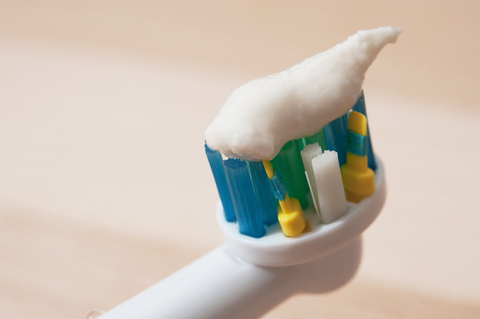
Our team at Wichita Falls Orthodontics knows that there are many ways you can protect your pearly whites throughout your orthodontic treatment. If you follow the rules and brush your teeth twice a day, floss often, and protect your appliances from damage, you should have a successful treatment.
But did you know there’s another way to keep your teeth sparkling and healthy during your time wearing braces?
Fluoride, the mineral that helps you prevent cavities and tooth decay, can also help keep your teeth strong. Fluoride comes in two varieties: topical and systemic. Depending on your oral health or the recommendation of Dr. Frech, you may be required to have a fluoride treatment every three, six, or 12 months. We may also prescribe a fluoride product such as a mouthwash, gel, or antibacterial rinse for at-home treatment to keep your teeth happy in between visits.
If you have any other questions about fluoride or your treatment, please don’t hesitate to give us a call!
June 17th, 2014
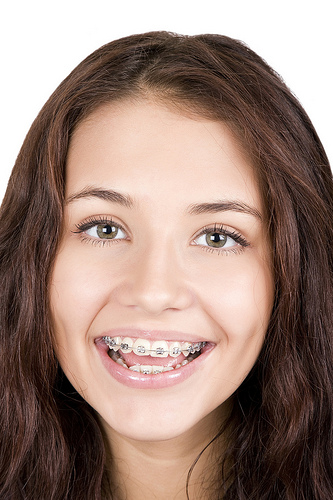
While everyone understands that a dentist takes care of teeth, not everyone is aware of what an orthodontist does. This confusion sometimes leads to misunderstandings about what Wichita Falls Orthodontics does for our patients and how exactly Dr. Frech can help them. Let’s take a closer look at a couple of the myths and misconceptions about orthodontists.
Perhaps the biggest misconception about the orthodontist is that they’re just like your family dentist. The truth is, they’re actually very different. While it’s true that both orthodontists and dentists care about helping you enjoy a lifetime of good dental and oral health, orthodontists go about achieving this goal in different ways. For instance, if you need to have a cavity filled, you probably won’t make an appointment to see an orthodontist. Dentists are the health professionals to see if you’re concerned about a cavity or need a filling. A dentist can also treat gum disease, tooth decay, toothaches, and other common oral health problems.
People see an orthodontist for very particular services. Most of the patients we see on a daily basis are here because they have braces, or they need to be fitted with braces or another form of tooth-straightening device. In other words, they consult an orthodontist when they are concerned about the alignment of their teeth. As a child grows up, his or her teeth may come in crooked. This can happen for a number of reasons, so it’s important for an orthodontist to take a look at a child’s teeth at about seven years of age. At that age, it’s possible to detect any problems that have not become too advanced to treat easily. Your family dentist may also refer your child to an orthodontist once the adult teeth have fully grown in.
Another common misconception about orthodontists is that they only treat children. It’s true that when you visit an orthodontic clinic you’re apt to see a lot of young kids, but you’ll also see teenagers, college students, and adults. Because crooked teeth can be caused by a number of different factors, it’s entirely possible for someone to require orthodontic treatment at any age.
If you want to know more about the practice of orthodontics or what your orthodontist can do for you, then simply ask Dr. Frech. It’s best to get answers to your specific questions directly from the person who will be treating you. While you’re sure to find Internet resources helpful, there really is no substitute for the personal attention you’ll get during your appointment at our Wichita Falls, TX office.
June 10th, 2014

At Wichita Falls Orthodontics, there are a few things we want to remind you of when you're on vacation, so that a day with friends and family won’t be spent dealing with an orthodontic emergency. Firstly, we are here for you whether you are in town or out of town on vacation. Give us a call and we may be able to address the problem over the phone. Second, if we are unable to help you fix the problem over the phone, we will help you find an orthodontic practice in your vacation area that can help you.
If you experience problems reaching our office, we suggest going online and searching for orthodontic practices in your area. Most orthodontists will lend a helping hand to another orthodontic patient and get them out of pain or discomfort.
If you have braces, whether they are metal, ceramic, or lingual, Dr. Frech and our team suggest steering clear of the following foods to avoid broken brackets and/or wire distortion while you are on vacation:
- Chewy, sticky, or gummy food
- Apples, pears and other whole fruits (cut fruit into thin wedges before consuming)
- Bagels and hard rolls
- Bubble gum
- Corn on the cob
- Hard candies
- Hard cookies
- Pretzels
- All varieties of nuts, including peanuts, almonds, and cashews
Finally, if you have clear aligners and you lose your tray, don’t worry! Simply put in either the previous tray or the next tray and contact us as soon as you get home!
Follow these tips and you can have a worry-free vacation!
June 3rd, 2014

If you are planning on taking a vacation this summer, we ask that you let us know ahead of time so that we may schedule your summer appointments more efficiently. We also encourage patients and their parents to be proactive in determining when they make their summer appointments.
If you will be gone for an extended period (more than six weeks), we recommend you visit Wichita Falls Orthodontics prior to leaving and schedule another visit shortly after your return. Lastly, please remember not to indulge in hard, sticky, and chewy treats while enjoying your vacation. We look forward to seeing you soon and hearing about your adventures!