Our Blog

How Braces Can Work at Any Age

August 20th, 2025

Are you an adult who is considering getting braces? Perhaps you’ve had them before, but over the years that dental work has been reversed. Or maybe you’ve never had any orthodontic work done, but are considering braces for the first time. In either case, Wichita Falls Orthodontics can help you enjoy straighter teeth, an improved bite, and a more beautiful smile. If you are considering getting braces, here is what you need to know about adult orthodontic work from Dr. Frech.

Can braces work for adults?

Absolutely! Braces work for just about anyone. However, there are several different types of braces, and not all of them may work for you. Different types of orthodontic treatments include:

  • Ceramic braces
  • Metal braces
  • Self-ligating brackets
  • Lingual brackets (braces behind the teeth)
  • Invisible braces
  • Rubber bands for bite correction
  • Headgear and other appliances

By scheduling a consultation, we can determine which treatment or combination of treatments would be best for your specific needs.

How do I get started?

Getting braces can be a little bit daunting. At first glance, the process may appear expensive and time-consuming. However, if you take it step by step, getting braces can be a simple and relatively pain-free experience. Here are the first steps you need to take to get on the road to straight teeth:

First, you need information. If you are nervous about getting braces, or are having trouble getting started, learning more about the process can help ease your mind. Here are a few sample questions to ask:

  • What kind of braces do you recommend for my teeth?
  • How long will the treatment take?
  • How often will I need to come in for adjustments?
  • What is the total cost of the treatment? Do you accept insurance? Will you require the full amount up front, or do you have payment plans?

Asking these types of questions will help you understand what to expect during the entire process, which can aid your decision on the proper course of action.

The next step is to complete any prerequisite treatment. During your first meeting with Dr. Frech, we’ll need to take some X-rays and molds of your teeth, and then help you determine an appropriate treatment plan. Recommendations may include some preliminary dental work before you get your braces, which can be an important step in making sure your orthodontic treatments are effective.

Once you have completed these steps, you are ready to get started! After you’ve chosen a treatment plan and undergone any necessary prerequisite dental work, you’ll be able to get your braces. Just like that, you’re on your way to a better smile! If you’d like to get started right away, call our Wichita Falls, TX location today!

Can I use mouthwash instead of flossing?

August 13th, 2025

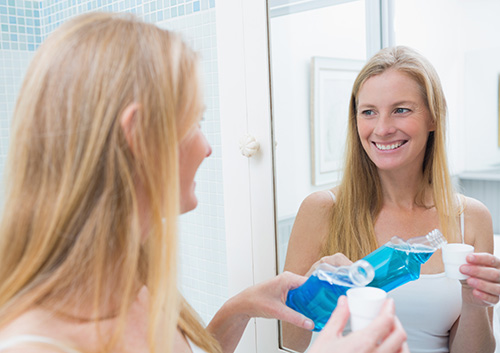
While mouthwash goes a long way in improving your oral care, it is not a substitute for flossing. Mouthwashes and flossing provide different benefits that you should understand.

Mouthwash Benefits

Mouthwash comes in two categories. Some are considered cosmetic. This type of rinse provides temporary relief from bad breath and has a pleasant taste. These do not actually kill any bacteria.

Therapeutic mouthwashes provide the healthier benefits. These may contain different ingredients including fluoride or antimicrobial agents. This type is used to remove plaque buildup and reduce the potential for calculus formation. Therapeutic rinses can also help prevent cavities, bad breath, and gingivitis. In addition, Dr. Frech can prescribe special rinses to assist patients after periodontal surgery or other procedures.

Flossing Benefits

Flossing is what removes the plaque formation before it can harden and become calculus. While a rinse reduces buildup, only flossing will fully remove plaque, especially between teeth. The bristles on a toothbrush do not get between teeth completely. If plaque is not removed, it hardens into tartar or calculus. When this builds below the gum line, gum disease can start.

Types of Floss

Floss is available in a thin string form or a tape. It can be waxed or unwaxed. If you find flossing difficult, you might want to try a different type of floss. You can buy bulk floss in containers or purchase the disposable type with a plastic handle attached. This style can be easier for many individuals to use. Interdental picks are available for bridgework or other situations where regular floss cannot be used.

If you have questions regarding the best mouthwash or floss, or need tips for easier flossing, please ask our Wichita Falls, TX team for advice. We will be glad to give you solutions to help keep your mouth clean and healthy.

Braces-Friendly Foods

August 13th, 2025

Having braces can be frustrating when you have to be cautious about eating certain foods or having to avoid them altogether. Making sure your braces don’t bend or break is vital when you’re trying to straighten your teeth quickly and properly. Dr. Frech and our team have come up with a list of foods to avoid, and which foods you can enjoy while you have braces.

No matter how careful you are, excessive chewing of hard-to-eat foods will eventually cause problems for you and your braces. Knowing what you can and cannot eat at a meal may be helpful when you first get your braces on.

Some foods are too hard for braces, because they can break wires or create damage that will have to be fixed by Dr. Frech. Avoiding the following snacks will prevent this from occurring:

  • Hard candies
  • Gum
  • Nuts
  • Popcorn
  • Some hard raw vegetables or fruits (carrots, apples)
  • Ice
  • Chips

There are plenty of safe options for breakfast. They include eggs, yogurt, pancakes, oatmeal, soft toast, bananas, and even bacon.

For lunch, avoid hard or abrasive foods, undercooked vegetables, or apples. Safer options include a delicious stew, soft-breaded deli sandwich, or a mixed salad. Always be careful when biting into foods, and try to cut solid meal items into small chewable portions whenever possible.

A healthy braces-friendly dinner can come in many forms. Soft, steamed vegetables paired with a lean protein make a great option. The addition of rice or quinoa can complete the meal. Just remember to brush and floss after, because these small grains are likely to get stuck between braces and teeth.

During your treatment, Dr. Frech will tighten your braces at each checkup. Braces tightening can sometimes leave your teeth feeling sore afterward. During this time, we recommend picking soft food options until the pain goes away, such as:

  • Pudding
  • Mashed potatoes
  • Soup
  • Ice cream
  • Cottage cheese
  • Peas
  • Pasta
  • Yogurt
  • Muffins

It’s also essential to pay close attention to your oral health routine. When food is stuck between braces, you’re more likely to experience plaque and decay buildup. If you want to keep your teeth from appearing discolored when your braces come off, keep up with brushing and flossing after every meal!

If you notice your braces are damaged after you’ve eaten a meal, contact our Wichita Falls, TX office to schedule an appointment right away. Our team is here to help with any issues that come up while you are in braces, and to answer any questions you may have about which foods you can and cannot eat.

Sunbeams and Beaming Smiles

August 6th, 2025

Long days in the sun’s rays offer you lots of options for outdoor activities. Beach time? Vacation? Open-air concerts? Baseball, biking, board sports? No matter what plans you have for these sunny days in Wichita Falls, TX, we have some tips to keep your smile beaming.

Use Sunscreen

Sunscreen is good for all ages and skin tones, and it’s also designed to protect your smile. Lip tissue is thin and delicate, and can easily be damaged by the ultraviolet rays which cause skin cancer and premature aging. 

If your regular sunscreen isn’t suitable for your lips, there are many protective lip balms designed especially for your smile.

  • Make sure you get the proper level of protection. Dermatologists recommend lip balms with a minimum SPF (Sun Protection Factor) of 30.
  • Reapply at least every two hours, and sooner if your lips get wet or if you’re eating or drinking.

Protect Your Smile with a Mouthguard

Mouthguards help protect your teeth from damage caused by impact, whether from hard surfaces or hard elbows! Any time there’s a chance of a fall or a collision, a mouthguard is a good idea. Use your guard for:

  • Biking, in-line skating, skateboarding, or any activity where an unexpected fall is possible 
  • Contact or low-contact sports like baseball, basketball, and soccer, where bodies collide with equipment or other bodies

If you play organized sports, you might already own a mouthguard. If not, talk to Dr. Frech about over-the-counter options or a custom-fitted model. And if you wear braces, no need to stay indoors! There are mouthguards designed to protect your teeth, cheeks, lips, and braces. Ask the team at Wichita Falls Orthodontics for recommendations.

Hydrate

On hot days, our brains help regulate our body temperature. How? By sending the signal to start sweating! Some heat is transferred from our bodies to evaporate perspiration, which helps cool the skin. But that cooling perspiration comes at a cost—the water we lose through sweat can lead to dehydration. 

Water is essential for our health, and especially when it’s scorching outside. Drinking water throughout the day is healthier than drinking lots of water at one time, and your doctor can let you know the right amount of water for your body, since we’re not all built the same. A bottle of water doesn’t contain artificial ingredients, caffeine, or sugars, so it’s a great, healthy outdoor companion. 

More? Water is also great for your smile!

  • Water washes food particles and bacteria away from teeth and gums for fresher breath and a healthier mouth.
  • Most communities add fluoride to their water, and fluoride strengthens tooth enamel to help you fight cavities. If your local water supply isn’t fluoridated, talk to your dentist about other treatments which can provide fluoride’s cavity protection.
  • Hydrating helps prevent dry mouth. Normal saliva production doesn’t just keep the mouth moist for eating and speaking—it also protects our teeth and gums as it washes away food particles and helps counteract excess acidity in the mouth.

Summer’s a Great Time for Dental Care

It’s easy to get distracted with summer activities and vacations—after all, they’re designed to be distracting! But don’t let your well-deserved fun in the sun distract you from your regular dental care. 

  • If you haven’t started orthodontic treatment, summer is a terrific time to begin. You’ll have several weeks to get used to your braces or aligners before school starts in the fall.
  • If you’re going on vacation, let Dr. Frech know. It’s necessary to keep adjustments to your braces or aligners on schedule so you can enjoy your beautiful smile as soon as you possibly can. Don’t delay your progress by missing appointments.
  • Wear your appliances or bands as directed. If you don’t put in the hours with your aligners or your bands, you’ll be spending more time in treatment than you need to.
  • Regular dental exams catch small problems before they become larger ones, and cleanings make sure your smile is bright all summer long. If you’re overdue for a visit to your dentist, make room in your schedule for a checkup.

Summer can be a time to relax, renew, and recharge. While you’re enjoying those extra hours of sun, take care of your oral health for a beaming smile which will look great on you any time of year!