Our Blog

Crushing the Ice-Chewing Habit

July 23rd, 2025

It's a habit many people have and not only can it be annoying to the people around you, it can be detrimental to your dental health. Chewing ice is so common that it even has its own name, pagophagia. We're not talking about a slushy or shaved ice (although those artificially sugary treats should be avoided too!) but more like the hunks of ice rattling around in the bottom of your glass.

Ice chewing can be a sign of emotional problems like stress or obsessive-compulsive disorder, but it can also be a marker for iron deficiency anemia and other physical problems. Then again, some people just like to have something to chew on. For whatever reason you find yourself chewing on it, it's a habit you need to break.

Chewing on ice can cause:

  • Chipped and cracked teeth
  • Damaged enamel
  • Sore jaw muscles
  • Damage to dental work such as crowns, fillings, or other appliances

If chewing on ice is becoming a problem in your life, don’t hesitate to speak with Dr. Frech about it. But if you find yourself still wanting to chew on something, here are a few alternatives to ice:

  • Baby carrots
  • Celery sticks
  • Sugar-free (xylitol) gum

We know you need to chill sometimes, but chomping down your entire glass of ice is not the way to do it. If you have any other questions on the topic, feel free to talk with a member of our Wichita Falls, TX team. It may be beneficial in solving the issue and helping to remediate any damage to your teeth.
Considerations When Picking the Right Mouthwash

July 16th, 2025

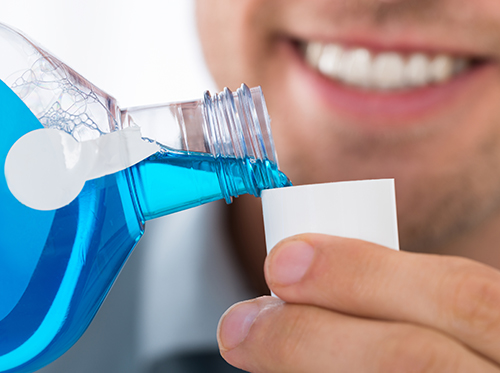
A solid oral health routine begins with daily brushing, flossing, and rinsing. Without a consistent oral health regimen, you may begin to experience tooth decay and bacterial infections. Few patients ask Dr. Frech about different mouthwash options, so we’ve put together a list of the conditions that mouthwashes can treat. This should help you decide which oral rinse would be best for you.

Gum Health

Antiseptic mouthwashes reduce large amounts of bacteria on and near the gum line and generally help to decrease your chances of developing gingivitis. The key ingredients of antiseptic mouthwashes are antibacterial and antimicrobial items. Antiseptic mouthwash is a preferable option if you are concerned about the general gum health of your mouth.

Fluoride

Fluoride is a great tool for preventive tooth decay treatment. It prevents tooth decay and is great for oral health in general because it kills germs that can live in your mouth. Fluoride also builds stronger teeth. If you’re a bottled water drinker, Dr. Frech may recommend that you purchase a simple fluoride rinse to use after brushing.

Bad Breath

Fluoride mouthwash can be used to fight any bad breath issues you may be facing. It’s designed to combat any bacteria that might be building up in your mouth. Most mouthwashes will help eliminate bad breath, but some are specifically designed to address this difficult problem. If you feel as though this might be turning into a chronic problem, please contact Dr. Frech to discuss other options that would be effective for treating your symptoms.

American Dental Association (ADA Approval)

The ADA reviews all mouth rinses for safety measures and to prove effectiveness. Any mouthwash approved by the ADA has met strict guidelines according to whether the manufacturer’s claims are supported with scientific evidence. If you’re looking for a quality mouthwash, look for one that has the ADA seal of approval to ensure you have a great rinse for your mouth.

Considerations

When you’re trying to decide which mouthwash to pick, contact our Wichita Falls, TX or ask Dr. Frech during your next appointment. If you experience a burning sensation in the soft tissues of your mouth, be sure to discontinue use immediately. Avoid letting children under age six use a mouth rinse, and be sure to keep all mouthwashes out of the reach of children, because they contain alcohol and other substances that could be harmful.

How much do braces cost?

July 16th, 2025

This is one of the most common questions that is asked at Wichita Falls Orthodontics and, unfortunately, it does not have a simple answer. Just as every patient we see is unique, so is their treatment plan. Some patients have very simple problems which require less appliances and time, while other cases are much more complicated and may require multiple appliances and phases.

The treatment fee usually reflects the amount of orthodontic work required to complete the treatment plan. The only way to find out how much braces will cost is to schedule a consultation with Dr. Frech. During your consultation, we will perform a complete oral examination, listen to your concerns, and explain how we will address your needs.

Our findings will include the cost of orthodontics and how long the treatment will take to complete. Give us a call today at our convenient location in Wichita Falls, TX for a consultation and discover how quickly we can make you smile!

What's in my mouth? A Rundown of Orthodontic Appliances

July 9th, 2025

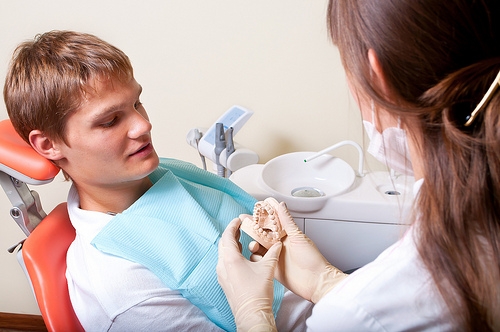
Dr. Frech and our team correct the alignment of your teeth and jaws so that you can speak clearly, chew food effectively, and look attractive when you smile. We do this by putting sophisticated gadgets in your mouth. While many of these dental devices look similar, we use a wide variety of orthodontic appliances to straighten your teeth and repair jaw problems.

Orthodontic appliances are devices that move your teeth, change the position of your jaw, or hold your teeth in their finished positions after your braces are removed. These devices may be attached to your teeth or removable.

Braces straighten your teeth. Brackets, bands, and wires characterize traditional braces. Braces are attached to the teeth, so they are not easily removable.

Spacers are small plastic rings fitted between your back teeth before your braces are placed by Dr. Frech. These spacers create space between your teeth to optimize the alignment your braces provide.

Retainers hold teeth in their finished position after your braces come off. A Hawley retainer is the most common type of retainer; it features an acrylic plate that rests against the roof of your mouth and a wire crossing in front of your teeth. Essex retainers are quite popular, as they are durable and nearly invisible.

Bite plates correct a deep bite, where the upper front teeth come down too far over the lower front teeth to cause bite problems.

Holding arches prevent the back teeth from moving forward to crowd the front teeth. A lower lingual holding arch prevents your permanent molars from migrating forward. The Nance holding arch maintains space between teeth after you lose baby teeth and before the permanent teeth come in.

A palatal expander widens your upper jaw by separating the bones of your palate. This appliance helps your top and bottom teeth fit together better. The Quad Helix widens your jaws to create more room for crowded teeth.

Contact our Wichita Falls, TX office today to learn more about the ways we can improve the appeal and function of your smile.