Our Blog

How Long Do I Need To Wear Retainers?

March 19th, 2025
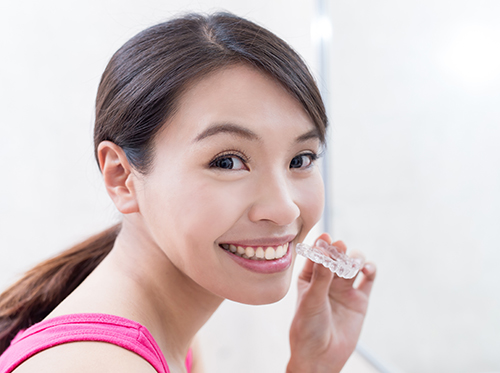
Once you get your braces off, you want to make sure your smile remains straight! This is where retainers come in.

Once your braces come off, you’ll be fitted for a retainer provided by Dr. Frech to keep those teeth in place. A retainer is a custom-fit device that sits in the mouth and reinforces the new position of your teeth. Wearing it may be annoying at first, but it’s an essential part of the process of keeping your teeth in place over the long term.

For the first few months after your braces are gone, Dr. Frech will tell you to wear your custom retainers all the time, except when you’re eating, drinking, or brushing. You have the option of having a clear plastic retainer made if you’re concerned about your appearance.

Eventually, we will recommend that you only have to wear the retainer during each night for a full year. After that, you may take a couple nights off from wearing them each week. In order to preserve the position of your teeth for as long as possible, we don’t recommend that you ever fully stop wearing your retainers.

If you’re concerned about forgetting to wear your retainer, and worried that your teeth may shift, a lingual retainer could be a good option for you. This gets placed on the back of your teeth and is not readily visible.

These retainers are permanent, but they could cause issues for you down the road if you don’t maintain good oral hygiene. Plaque and tartar can build up around these lingual bars, which is why we don’t usually recommend this as a primary choice.

Wearing your retainer is extremely vital after your braces come off. Without your retainer to keep them in place, the teeth you’ve taken so long to fix may begin to shift again. Getting braces is quite an investment, which is why you should keep wearing your retainer long after the braces have come off.

If you have questions or concerns regarding your retainers, contact our Wichita Falls, TX office and we can address any problems you may have.


What are the benefits of early orthodontic treatment?

March 12th, 2025

Parents usually have numerous questions about orthodontic treatment for their children. According to the American Association of Orthodontists, orthodontic treatment for children should start at around seven years of age. This allows Dr. Frech to evaluate the child’s existing and incoming teeth to determine whether or not early treatment might be necessary.

What is early orthodontic treatment?

Early orthodontic treatment, known as Phase One, usually begins when the child is eight or nine years old. The goal is to correct bite problems such as an underbite as well as guide the jaw’s growth pattern. It also helps to make room in the mouth for the permanent teeth to be properly placed as they come in. This will greatly reduce the risk of the child needing extractions later in life due to his or her teeth getting crowded.

Does your child need early orthodontic treatment?

There are several ways that you can determine whether your child needs early treatment. If you observe any of these characteristics or behaviors, you should talk to Dr. Frech.

  • Early loss of baby teeth (before age five)
  • Late loss of baby teeth (after age five or six)
  • The child’s teeth do not meet properly or at all
  • The child is a mouth breather
  • Front teeth are crowded (you won’t see this until the child is about seven or eight)
  • Protruding teeth, typically in the front
  • Biting or chewing difficulties
  • A speech impediment
  • The child’s jaw shifts when he or she opens or closes the mouth
  • The child is older than five years and still sucks a thumb

What are the benefits of seeking orthodontic treatment early?

Early orthodontic treatment is begun while the child’s jaw bones are still soft. They do not harden until the children reach their late teens. Because the bones are still pliable, corrective procedures such as braces work faster than they do for adults.

In short, early treatment at our Wichita Falls, TX office often allows your child to avoid lengthy procedures, extraction, and surgery in adulthood. Early treatment is an effective preventive measure that lays the foundation for a healthy, stable mouth in adulthood.

St. Patrick's Day: Celtic pride, green shamrocks, and lucky charms!

March 12th, 2025

“St. Patrick's Day is an enchanted time -- a day to begin transforming winter's dreams into summer's magic.” Adrienne Cook

Lucky green shamrocks, leprechauns, and pots of gold – it must be St. Patrick’s Day! If you’re not Irish, how do you go about celebrating St. Patrick’s Day? It’s easy: You just put on one of those tall leprechauns hats, dress in green from head to toe, and wear one of those carefree pins that say “Kiss Me, I’m Irish”. On St. Patrick’s Day, everyone is Irish, and that is the universal beauty of the holiday. Celtic pride does not discriminate.

Wondering what our team at Wichita Falls Orthodontics is doing to celebrate March 17th? Well, we’ve thought about doing everything from handing out lucky gold coins (you know, the fake ones that are made of chocolate) to shamrock stickers. Maybe we’ll even give away green toothbrushes and floss! You’ll never know unless you come in to see Dr. Frech !

All kidding aside, St. Patrick’s Day is an important cultural and religious holiday. There are lavish parades and church services across Ireland on March 17th. Over time, however, the holiday has developed into a day to observe Irish culture in general. In places like England and the United States, where there is a large Irish Diaspora, the holiday has greater significance than other countries. From the streets of Boston to St. Patrick’s Cathedral in New York, it is a day of celebration, and many Americans of Irish descent will cook up a traditional meal of corned beef and cabbage.

So, to all of you with Irish ancestry, and to all of you who have decided to be Irish for the day, our office wishes you a Happy St. Patrick’s Day. Good luck looking for a pot of leprechaun gold, which is said to exist at the end of the rainbow. However, keep away from those sugary Lucky Charms; sweet cereals might taste good, but your kids’ teeth might not be feeling too lucky if they eat it for breakfast every day. Have a great St. Paddy’s Day!

Looking Back at the Old Days of Braces

March 5th, 2025

Braces can be painful, but if you are a teen who loves being social, the worst part about them can be their look. They show up in your photos, and you will not be able to take braces-free photos for several months, or even years. The time will pass, though, and your teeth will be the better for it. In the meantime, consider the other people who have survived braces.

Plenty of People Get Braces

There are many reasons for getting braces:

  • Correct an overbite or underbite
  • Straighten teeth
  • Fix poorly-spaced teeth

With so many possible ways to get braces, it’s no surprise that they are so common.

Find Out Who Had Braces

The long lists of celebrities who had braces as teenagers or even adults can give you the comfort of knowing you are in good company. Even better, these lists provide visible proof that there is life on the other side of braces. Actors and actresses on the Cosby Show, Scrubs, and Ugly Betty, as well as tennis star Martina Hingis and Miss America 1975, Shirley Cothran, had braces. Ask your parents. If they didn’t have braces, there is a good chance that some of their siblings did.

Benefits of Braces

Wearing braces can make your life a lot better in the future. Your teeth will be more attractive, and your smile will shine through in photos of you. Straight teeth are not just about looks, though. They can prevent a variety of health problems, such as caries, gum disease, speech impairments, and trouble chewing. Be patient, and the benefits of braces will come.