Our Blog

When should I floss during the day?

August 7th, 2024
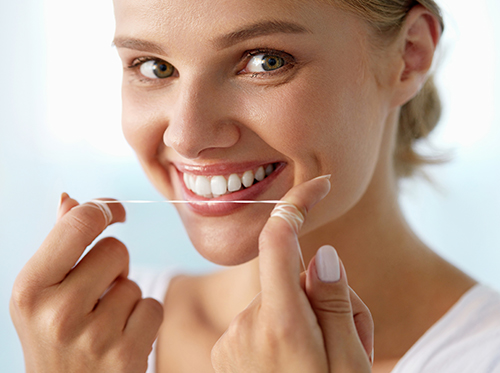
A vital step in your oral health routine is flossing. We hope our patients at Wichita Falls Orthodontics maintain good oral hygiene, including daily flossing between each visit to our Wichita Falls, TX office. A toothbrush is not always enough to get to the hard-to-reach areas of your mouth. When food remains between your teeth, bacteria starts to grow and will break down your enamel. This is where flossing comes in!

Should you floss before or after brushing?

Whatever your personal preference, you may floss before or after you brush your teeth. When you floss first, you can brush away any leftover dislodged food debris from your teeth. On the other hand, when you brush first, you will loosen the plaque between your teeth, which makes flossing more effective.

The essential aspect is that you floss thoroughly by using a fresh strand of floss and make sure to get between every tooth. Even if your teeth look and feel clean, don’t skip flossing or plaque will begin to build up on your teeth.

When is the best time to floss?

Although you should brush your teeth at least twice a day, Dr. Frech and our team recommend flossing your teeth thoroughly once a day. Many people prefer to floss before bed, so that plaque doesn’t sit between their teeth all night.

What kind of floss should I use?

You may choose between interdental cleaning picks or flexible floss strands to perform your daily flossing routine. If you have permanent oral appliances or restorations, be sure to follow the flossing instructions provided to you.

Do you need help flossing?

If you’re having trouble flossing or have questions about which floss is best for your teeth, contact our Wichita Falls, TX office and we can provide you with support. Be sure to keep up with your daily flossing routine, and we will see you at your next appointment!


Adults and Braces: Not just for kids anymore

July 31st, 2024

Just hearing the word “braces” can take many of us back to junior high — that painful era when we wore unattractive glasses, endured unflattering haircuts, and carried a mouthful of braces to complete the awkward adolescent look. Despite the common assumption that braces are for kids, more and more adults are choosing to pursue orthodontics to correct their smiles.

Braces for Adults

Perhaps you never had braces as a kid and you are embarrassed by your crooked teeth. Or you went through a round of braces a decade ago and stopped wearing your retainer, which allowed your teeth to shift. Whatever your personal history, wearing braces in adulthood is an excellent way to create the straight, beautiful smile you deserve.

What are my options?

With recent advances in orthodontic medicine, there are numerous options for adults who need braces. The basic option is traditional metal braces. These are best for individuals who have severely crooked teeth or a significant bite problem, or require other major orthodontic changes. Metal braces are typically the least expensive option. The greatest drawback to wearing metal braces as an adult is aesthetics. Many people find them unattractive and distracting.

If you are a professional who is worried about your personal appearance, clear ceramic braces may be a better choice. Clear braces are capable of handling very crooked teeth or bite issues, but they cost more than metal braces. You also have to be careful about smoking or drinking red wine, soda, and other dark beverages while wearing clear braces. These items may stain the adhesive that binds the brackets to your teeth.

Another popular option for adults who need braces is a clear aligner treatment, such as Invisalign®. This system works in a different way from traditional braces by applying a series of clear, retainer-like aligners. The series is custom made for your teeth, which makes this option more expensive than either metal or ceramic braces. In general, the Invisalign process takes anywhere from three to 18 months to complete. You should be aware that Invisalign is not as effective as traditional braces in treating bite problems, teeth that are lower or higher than others, or severely overcrowded teeth.

Although you may be nervous about the prospect of getting braces as an adult, you should not let your fears stop you from talking with Dr. Frech. A consultation at our Wichita Falls, TX office will address your concerns and provide information about the best course of treatment for you. No matter what your personal situation, adult braces can be a great way to boost your confidence and create the smile you’ve always dreamed of.

In-Ovation® Vs. Traditional Braces

July 31st, 2024

At our office, we say it's never too late to improve the beauty of your smile. We suggest to patients of all ages that braces can lead the way to a healthier, happier smile. Orthodontic technology has made many advancements over the past decade. Today, we compare In-Ovation braces to traditional braces to help you decide which is best for your smile needs.

Choosing In-Ovation or Traditional Braces

There are many significant differences between these two styles of braces that often make one more attractive than the other to patients. Overall, the In-Ovation treatment process is far shorter from start to finish than the traditional braces approach.

The In-Ovation treatment process has been gaining vast popularity among patients because it offers superior comfort over traditional braces. Unlike the traditional approach that can be painful and cause continued friction and irritation, In-Ovation braces operate on what is called a self-ligating system. This free-sliding system straightens teeth with gentle, low pressure.

Traditional braces exert their teeth-aligning effects with pressure. They are cemented to teeth, connected by rubber bands, and require much more of a time commitment than newer technology. For some, traditional braces are a more affordable approach and time is not a concern. It's also important to understand that a balanced diet is more important than ever when choosing any type of braces, but especially with traditional braces because of their size. Sugary foods can cause plaque to buildup on the tooth and should be kept minimal.

In-Ovation braces have been reported to shift teeth in a way that causes less irritation. Patients opt for this style because of its overall lower need for maintenance. You will spend far less time visiting our Wichita Falls, TX if you choose In-Ovation braces over traditional braces.

With fewer components and no elastic bands, there is less of a chance of food debris being left behind with In-Ovation braces. They are easier to clean and when a balanced diet is followed, and much less of a plaque buildup. In-Ovation even offers clear brackets for improved aesthetics.

Still have questions about which braces system is right for you or your child? We encourage you to ask Dr. Frech at your next appointment. We look forward to seeing you soon!

No Wooden Teeth, Please! Why Oral Health is So Important

July 24th, 2024

Your teeth are precious. Once your permanent teeth come in, they need to last you a lifetime. Extensive tooth decay can lead to dental caries and the need for fillings, crowns, bridges, and dentures.

While these fixes can go a long way toward maintaining your quality of life, they cannot compare to your natural teeth. Getting braces is no excuse to let up on your thorough oral health routine: You need to take good care of your teeth before, during, and after braces to benefit completely from the gains you get from newly straightened teeth.

Why You Should Maintain Good Oral Health for Life

Begin a complete oral health regimen as early as possible in life, and maintain this routine throughout your life. Keeping your (or your child’s baby) teeth clean establishes a routine. It preserves healthy baby teeth whose function is to save space for the permanent teeth when they are ready to come in. Care of your permanent teeth helps preserve the enamel and prevent decay.

Take Special Care with Braces

It is important to pay attention to oral health when you have braces. If you do not take special care of your teeth during the months or years that you have braces, you risk irreversible damage to your teeth. Care is more difficult with braces because food can easily get stuck. In addition to brushing twice daily and flossing each day, Dr. Frech and our staff suggest avoiding sticky foods.